Discovering Gärten der Welt
Imagine stepping into a vibrant oasis where cultures from across the globe bloom side by side, right in the heart of Berlin. That’s exactly what gärten der welt offers—a sprawling park that’s more than just greenery; it’s a passport to international adventures without leaving the city. Nestled in the Marzahn district, gärten der welt invites visitors to wander through meticulously designed gardens that capture the essence of distant lands. Whether you’re a nature lover, a family seeking fun, or someone craving a peaceful escape, this park promises an uplifting experience that rejuvenates the soul. As we delve deeper, you’ll see why gärten der welt stands out as a beacon of horticultural harmony and cultural celebration.
From its humble beginnings to its current status as a world-class attraction, gärten der welt has evolved into a symbol of unity and beauty. Opened in 1987 to mark Berlin’s 750th anniversary, the park was initially known as the Berliner Gartenschau, a gift from gardeners to the city. Over the years, it transformed, renaming to Erholungspark Marzahn in 1991 and finally adopting its evocative name in 2017 after significant expansions during the International Garden Exhibition (IGA). Today, spanning over 43 hectares—equivalent to about 60 soccer fields—gärten der welt showcases international garden art blended with modern amenities, making it a must-visit for anyone in Berlin.
History of Gärten der Welt
Let’s turn back the clock to understand how gärten der welt came to be. In the late 1980s, amid the divided Berlin, the park emerged as a green haven in East Berlin’s Marzahn area. Designed by the city’s garden director Gottfried Funeck, it opened on May 9, 1987, as part of the celebrations for Berlin’s milestone birthday. Back then, it was a modest affair, but oh boy, has it grown! The 2017 IGA was a game-changer, doubling the park’s size and adding new themed gardens, a cable car, and more, turning it into the diverse wonderland it is now.
What makes this history so inspiring? Well, gärten der welt rose from the ashes of post-war reconstruction, symbolizing hope and renewal. During the IGA, over three million visitors rode the new cable car alone in its first six months, proving its instant appeal. Nowadays, it’s managed by Grün Berlin, ensuring it remains a thriving space for relaxation and education. This evolution reflects Berlin’s own journey—from division to unity—making every visit feel like a step into a brighter future.
The Themed Gardens in Gärten der Welt
At the core of gärten der welt lie its enchanting themed gardens, each a miniature world unto itself. These aren’t just patches of plants; they’re cultural tapestries woven with tradition and innovation. With eleven distinct gardens representing Asia, Europe, the Middle East, and beyond, you’ll feel like you’ve embarked on a global tour.
Asian Inspirations
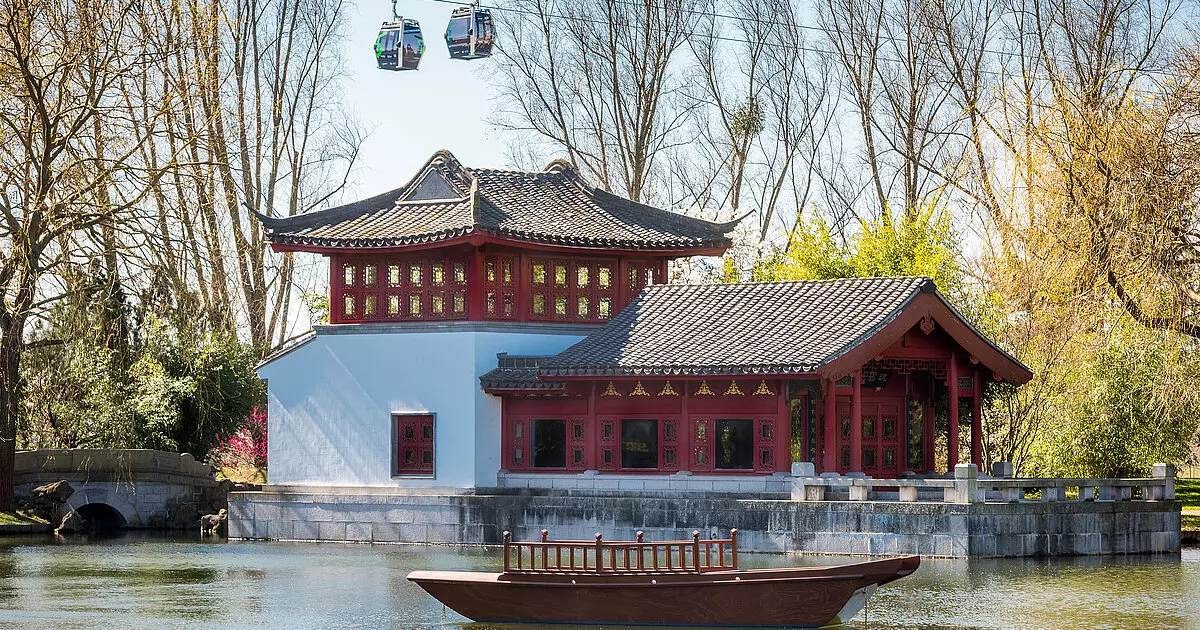
Starting with the East, the Chinese Garden, known as the “Garden of the Reclaimed Moon,” transports you to ancient China with its serene ponds, arched bridges, and pavilions. Weeping willows drape gracefully over the water, creating reflections that are nothing short of poetic. Nearby, the Japanese Garden offers Zen-like tranquility with raked gravel, bonsai trees, and koi ponds—perfect for meditation.
Don’t miss the Korean “Seouler Garden,” a gift from Seoul, featuring traditional pavilions and stone lanterns amid lush foliage. Then there’s the Balinese Garden, evoking tropical paradise with its thatched roofs, water features, and exotic orchids. These Asian gems highlight harmony with nature, a principle that’s timeless and uplifting.

European Elegance
Shifting westward, the Italian Renaissance Garden dazzles with symmetrical layouts, fountains, and terraced beds inspired by the villas of Tuscany. It’s a nod to classical beauty that feels both grand and inviting. The English Garden, on the other hand, embraces a more romantic, wild style with winding paths, rose arbors, and perennial borders—think Jane Austen strolling through.
For a touch of spirituality, the Christian Garden incorporates biblical plants and symbolic designs, while the newer Jewish Garden, opened in 2021, features elements like olive trees and a Star of David layout, promoting reflection and peace.
Middle Eastern and Other Wonders
The Oriental-Islamic Garden is a feast for the senses, with intricate mosaics, water channels, and fragrant roses drawing from Persian and Moorish traditions. It’s like stepping into a fairy tale from One Thousand and One Nights. Rounding out the collection are the Karl Foerster Perennial Garden, blooming year-round, and the Lebanese Garden Cabinet, showcasing Mediterranean flora.
Here’s a quick overview in table form to compare these treasures:
| Garden Name | Region/Inspiration | Key Features | Best Time to Visit |
|---|---|---|---|
| Chinese Garden | East Asia | Ponds, bridges, pavilions | Spring for blossoms |
| Japanese Garden | East Asia | Gravel paths, bonsai, koi | Autumn for foliage |
| Korean Garden | East Asia | Pavilions, stone lanterns | Summer for greenery |
| Balinese Garden | Southeast Asia | Thatched roofs, orchids | Year-round tropical feel |
| Italian Renaissance | Europe | Fountains, terraces | Spring/Summer |
| English Garden | Europe | Roses, winding paths | Summer blooms |
| Oriental-Islamic | Middle East | Mosaics, water channels | All seasons for scents |
| Christian Garden | Europe/Middle East | Biblical plants | Reflective any time |
| Jewish Garden | Middle East | Olive trees, symbolic designs | Newly opened, anytime |
| Karl Foerster Perennial | Europe | Year-round flowers | Always blooming |
| Lebanese Garden | Middle East | Mediterranean plants | Warm months |
These gardens not only educate but also inspire, showing how diverse cultures celebrate nature in their unique ways.
Attractions Beyond the Gardens in Gärten der Welt
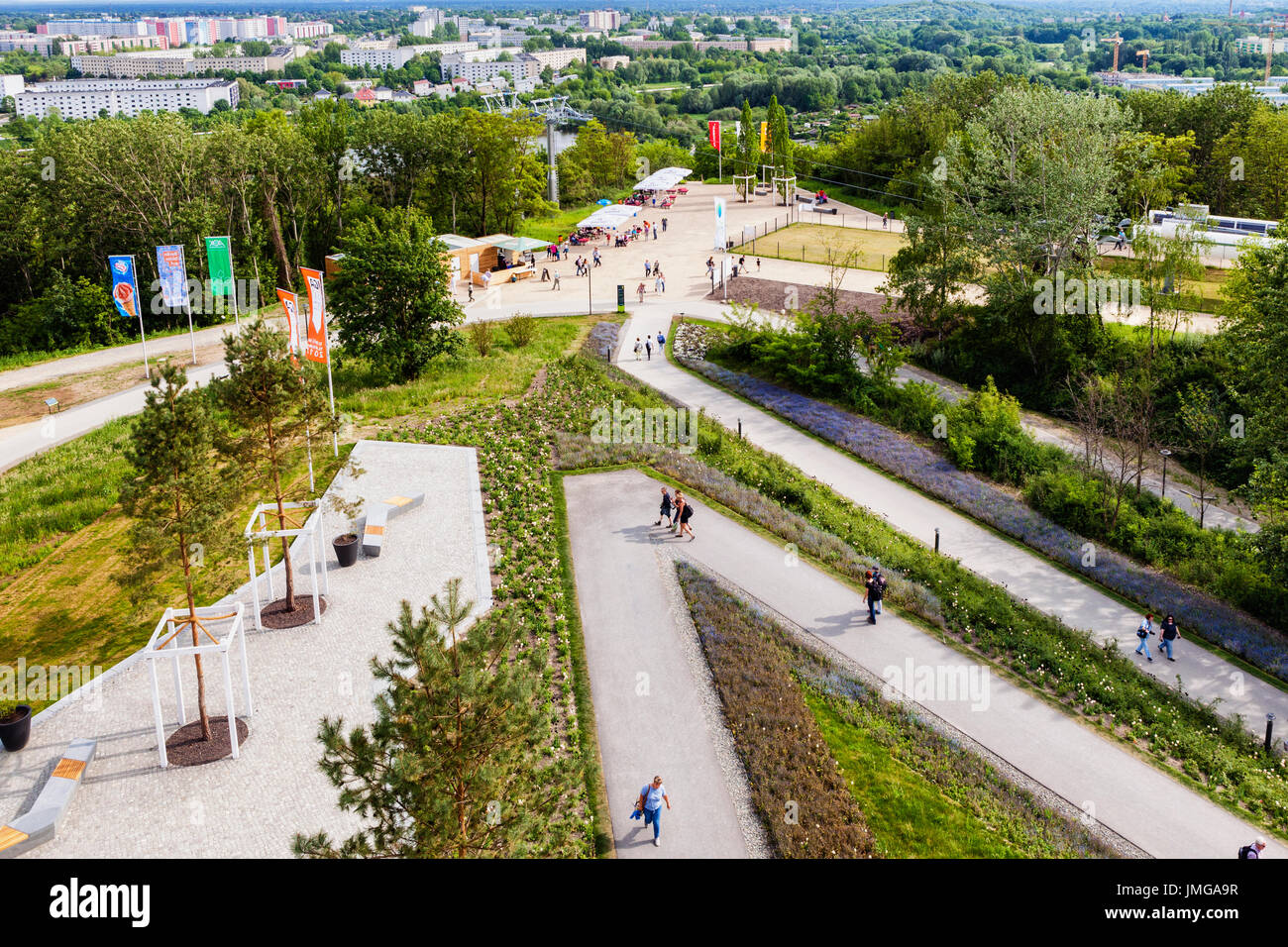
But wait, there’s more to gärten der welt than just the gardens! The park brims with exciting attractions that add layers of adventure. For instance, the cable car, a 1.5-kilometer ride connecting the Kienberg U-Bahn station to the visitor center, offers breathtaking aerial views over the park and Berlin’s skyline. It’s like floating on air, and on clear days, you can spot landmarks miles away.
Thrill-seekers will love the bobsled track, zipping down the Kienberg hill for a fun rush. Families adore the maze and labyrinth, where getting lost is part of the joy—think twists and turns that challenge your sense of direction in the best way. Playgrounds scattered throughout keep the little ones entertained, with swings, slides, and climbing structures designed for safe exploration.
What’s more, the Wolkenhain observation platform atop the Kienberg provides panoramic vistas, though it might close in icy weather. These extras make gärten der welt a full-day destination, blending relaxation with excitement.
Events and Festivals at Gärten der Welt
Gärten der welt truly comes alive during its events and festivals, turning the park into a vibrant hub of culture and music. The annual Cherry Blossom Festival in spring is a highlight, with pink petals carpeting the paths and traditional Japanese tea ceremonies drawing crowds. It’s a sight that lifts the spirits and heralds warmer days.
Summer brings “Culture Meets Garden,” a fusion of performances and garden tours, while the “Viva la Musica” open-air concert features Latin rhythms and fireworks, accommodating up to 5,000 guests in the arena. Autumn might host harvest festivals, and even winter has its charms with light installations.
These gatherings foster community and joy, making every visit memorable. Keep an eye on the calendar—there’s always something brewing to enhance your experience.
Visitor Information for Gärten der Welt
Planning a trip to gärten der welt? Here’s the lowdown to make it smooth. The park opens daily at 9 AM, year-round, even on holidays. Entrance fees are affordable: 4€ for adults, 2€ for kids 6+, and free for under 5s. In winter (November to February), prices stay the same, but some areas like the Japanese and Korean gardens hibernate.
Getting there is easy—take the U5 to Kienberg (Gärten der Welt) station, or buses to Blumberger Damm. Two main entrances: Blumberger Damm 44 (main) and Eisenacher Straße 99. Accessibility is top-notch, with paths for wheelchairs and barrier-free options.
Inside, you’ll find cafes, restrooms, and a visitor center with maps. Online tickets skip the lines, and group rates are available for schools. Pro tip: Download the app for real-time updates on closures due to weather.
Family Fun in Gärten der Welt
Gärten der welt isn’t just for grown-ups; it’s a playground paradise for families. Kids can romp in the adventure playgrounds, complete with water features and sandpits that spark imagination. The maze adds a dash of mystery—watch as they giggle their way through hedges, emerging triumphant.
Educational elements shine too: Guided tours teach about plants and cultures, turning fun into learning. Picnics on the vast lawns are ideal for lazy afternoons, and the cable car ride feels like a mini adventure. Parents appreciate the safe, open spaces where tots can run free.
In short, it’s a spot where families bond over nature’s wonders, creating memories that last a lifetime.
Sustainability and Nature in Gärten der Welt
One of the most heartening aspects of gärten der welt is its commitment to sustainability. The park uses eco-friendly practices, like rainwater harvesting and native plantings, to minimize environmental impact. Biodiversity thrives here, with habitats supporting birds, insects, and wildlife.
Educational programs highlight climate change and conservation, inspiring visitors to go green at home. By showcasing sustainable gardening from around the world, gärten der welt proves that beauty and responsibility go hand in hand. It’s optimistic proof that we can nurture our planet while enjoying its gifts.
Tips for Your Visit to Gärten der Welt
To make the most of gärten der welt, here’s some handy advice. First off, wear comfortable shoes—the park’s huge, and you’ll walk miles exploring. Bring water and snacks, though cafes are on-site. Check the weather; some attractions close in rain or ice.
- Arrive early to beat crowds, especially on weekends.
- Use the cable car for an overview before diving in.
- Join a guided tour for deeper insights into the gardens.
- Pack sunscreen and hats for sunny days.
- Respect the plants—stick to paths to preserve the beauty.
With these tips, your visit will be seamless and enjoyable, leaving you refreshed and inspired.
Why Gärten der Welt is a Must-See
In a bustling city like Berlin, gärten der welt stands as a serene counterpoint, offering respite and wonder. It’s not just a park; it’s a celebration of global diversity, where East meets West in floral splendor. Visitors rave about its relaxing vibe, with one Tripadvisor reviewer calling it “always worth a trip” for its vastness and variety. Whether seeking solitude or social vibes, it delivers.
Ultimately, gärten der welt reminds us of nature’s power to connect and heal, making it an essential stop for any Berlin itinerary.
Fazit
Wrapping it all up, gärten der welt embodies the best of what a modern park can be—a harmonious blend of culture, nature, and innovation. From its rich history to its diverse attractions, it offers endless opportunities for discovery and delight. As Berlin continues to grow, gärten der welt remains a timeless gem, inviting all to explore, relax, and appreciate the world’s beauty in one place. If you haven’t visited yet, make it a priority; it’s a journey that enriches the mind and spirit. In the end, gärten der welt isn’t just gardens—it’s a world of possibilities waiting to bloom.
FAQs
- Was sind die Öffnungszeiten von gärten der welt? Der Park ist täglich ab 9 Uhr geöffnet, das ganze Jahr über, inklusive Feiertagen. Einige Bereiche schließen im Winter.
- Wie viel kostet der Eintritt in gärten der welt? Erwachsene zahlen 4€, Kinder ab 6 Jahren 2€, unter 5 Jahren frei. Ermäßigte Tickets sind ebenfalls für 2€ erhältlich.
- Gibt es Parkplätze bei gärten der welt? Ja, es gibt Parkplätze in der Nähe der Eingänge, aber empfohlen wird die Anreise mit öffentlichen Verkehrsmitteln wie der U5.
- Sind Hunde in gärten der welt erlaubt? Hunde sind willkommen, müssen aber an der Leine geführt werden, und in einigen Gärten könnten Einschränkungen gelten.
- Welche Events finden 2026 in gärten der welt statt? Erwartet werden das Kirschblütenfest im Frühling, “Viva la Musica” im Sommer und weitere Konzerte—überprüfen Sie die Website für aktuelle Termine.