China Taiwan Navigating a Complex Relationship
Ah, china taiwan – those two words evoke a tapestry of history, tension, and untapped potential. It’s like two branches from the same ancient tree, swaying in different winds but rooted in shared soil. In this article, we’ll dive deep into the intricate dynamics between China and Taiwan, exploring their past, present, and a hopeful future. As an expert in East Asian geopolitics with years of research under my belt, I’ve seen how these relations ebb and flow, but I’m optimistic: with dialogue and mutual respect, peace isn’t just possible; it’s within reach. Let’s unpack this step by step, shedding light on what makes china taiwan such a pivotal topic in global affairs.
Historical Roots of China Taiwan Ties
To understand china taiwan today, we must rewind the clock. The story begins centuries ago, when Taiwan, known historically as Formosa, first came under Chinese influence in the 17th century during the Qing Dynasty. It wasn’t always a smooth ride; by 1895, after the First Sino-Japanese War, Taiwan became a Japanese colony, marking a period of modernization but also separation from the mainland.
Fast forward to the 20th century – the Chinese Civil War pitted the Communist forces led by Mao Zedong against the Nationalist Kuomintang (KMT) under Chiang Kai-shek. In 1949, the Communists emerged victorious, establishing the People’s Republic of China (PRC) on the mainland. The defeated Nationalists fled to Taiwan, setting up the Republic of China (ROC) there. This exodus wasn’t just a retreat; it carried with it dreams of reclaiming the mainland, though reality soon set in.
The 1950s brought crises, like the Taiwan Strait Crises of 1954-55 and 1958, where artillery duels over islands like Quemoy and Matsu tested nerves on both sides. Yet, even amid the saber-rattling, there were glimmers of pragmatism. By the 1970s, the U.S. shifted recognition from the ROC to the PRC, leading to the “One China” policy, but maintained unofficial ties with Taiwan via the Taiwan Relations Act.
Taiwan’s democratization in the late 1980s and 1990s transformed it from an authoritarian outpost to a vibrant democracy, further diverging paths with the mainland. Indigenous Taiwanese influences, blended with Han Chinese heritage, created a unique identity. History shows us that china taiwan isn’t about inevitable conflict; it’s about evolving narratives, and hey, evolution often leads to better outcomes if we learn from the past.
Mapping the China Taiwan Landscape
Visualizing china taiwan helps grasp the geography at play. Taiwan sits just 100 miles off China’s southeastern coast, separated by the Taiwan Strait – a narrow waterway that’s both a barrier and a bridge.
This proximity has fueled everything from trade booms to military posturing. China’s vast landmass dwarfs Taiwan’s island terrain, but Taiwan’s strategic location in the first island chain makes it a key player in Indo-Pacific security. Think of it as a chessboard where every move counts – China’s claims over Taiwan stem from historical sovereignty, while Taiwan asserts its de facto independence.
Sub-headings here could break it down:
Geographical Influences on Relations
- Strategic Waters: The Taiwan Strait sees over $2.45 trillion in annual trade, a lifeline for global economies. Disruptions here could ripple worldwide, underscoring the need for stability.
- Island vs. Mainland Dynamics: Taiwan’s mountainous interior contrasts China’s expansive plains, influencing defense strategies – Taiwan leans on asymmetric warfare.
Human Element in the Map
People bridge the divide too. Millions of Taiwanese have family ties across the strait, fostering personal connections amid political rifts. It’s heartening to see how geography, often a divider, can also unite through shared human stories.
Current Pulse of China Taiwan Relations
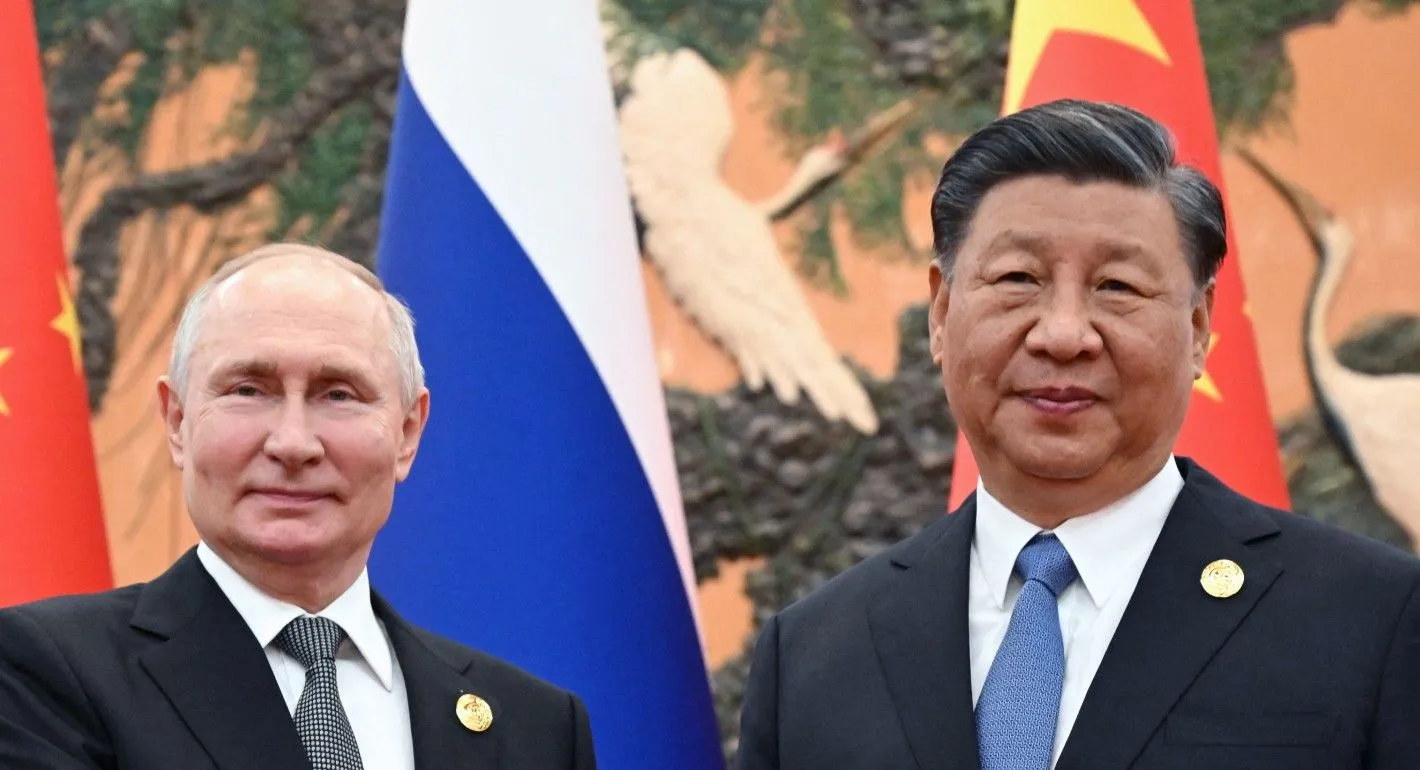
As of early 2026, china taiwan relations simmer with a mix of tension and tentative outreach. China’s leadership, under Xi Jinping, reiterates “peaceful reunification” but ramps up military drills around Taiwan. Recent events, like the KMT delegation’s visit to Beijing, signal potential for dialogue.
Taiwan’s President Lai Ching-te faces domestic pressures but pushes for stronger defenses, with a special budget boosting military spending to 3.3% of GDP by 2026. U.S. support remains steadfast, with bills like the PROTECT Taiwan Act warning China of consequences for aggression.
Yet, optimism shines through: Trump’s upcoming meeting with Xi in April could thaw tensions, focusing on trade over conflict. It’s like walking a tightrope, but with careful steps, balance is achievable.
Economic Bonds in China Taiwan
Money talks, and in china taiwan, it shouts cooperation. Bilateral trade hit $205 billion in 2022, with Taiwan investing over $200 billion in China since 1991. Taiwan’s semiconductor prowess – think TSMC – powers global tech, and China relies on it heavily.
Key Economic Links
- Trade Volumes: China is Taiwan’s top trading partner, accounting for 20-30% of its total trade.
- Investment Flows: Taiwanese firms employ millions in China, creating jobs and tech transfers.
- Supply Chain Interdependence: Disruptions would cost trillions, a strong deterrent to conflict.
This web of economic ties is a silver lining; it’s hard to bite the hand that feeds you, paving the way for collaborative growth.
Here’s a table comparing key economic indicators:
| Aspect | China | Taiwan |
|---|---|---|
| GDP (2025 est.) | $18.5 trillion | $800 billion |
| Main Exports to Each Other | Electronics, machinery | Semiconductors, tech components |
| Trade Dependency | 1/3 of imports via Strait | 20%+ of total trade with China |
| Investment Stock | N/A (inbound from TW) | $200B+ in China |
Cultural Threads Connecting China and Taiwan
Despite politics, china taiwan shares a rich cultural fabric. Both celebrate Lunar New Year with fireworks and family feasts, rooted in Confucian values like filial piety.
Shared Traditions
- Festivals and Customs: Dragon Boat Festival, Mid-Autumn Mooncakes – these bind hearts across the strait.
- Language and Literature: Mandarin dominates, with classic texts like Confucius’ Analects revered in both.
- Cuisine Overlaps: Dim sum, tea culture – food bridges gaps better than any treaty.
Taiwan adds unique flavors, like indigenous influences and Japanese legacies, but the core is harmonious. Culture reminds us: we’re more alike than different, fostering empathy for a brighter tomorrow.
Political Crossroads in China Taiwan
Politics is the elephant in the room for china taiwan. China’s “One China” principle clashes with Taiwan’s de facto sovereignty. Yet, the 1992 Consensus – agreeing there’s one China but differing interpretations – has been a fragile glue.
Taiwan’s democracy shines, with elections reflecting public will against unification under PRC terms. Beijing’s coercion, like economic embargoes, backfires, boosting Taiwanese resolve.
Optimistically, recent KMT-CCP exchanges suggest dialogue channels remain open. It’s a dance of diplomacy, and with grace, it could lead to mutual understanding.
Global Views on China Taiwan
The world watches china taiwan closely. The U.S. upholds strategic ambiguity but bolsters Taiwan’s defenses. Europe grows supportive, with visits like Vice President Hsiao’s to Brussels.
Allies like Japan and Australia see Taiwan’s fate tied to regional stability. Even in the Global South, perspectives vary, but many favor peaceful resolutions. International backing strengthens Taiwan, encouraging China toward negotiation.
Pathways to Peace in China Taiwan
Looking ahead, china taiwan’s future brims with promise. Peaceful resolution could involve renewed talks under frameworks like the Cross-Strait Economic Cooperation Agreement. Experts envision scenarios from status quo maintenance to innovative unions, like a “Chinese Commonwealth.”
Building Blocks for Harmony
- Diplomatic Reassurances: U.S. reaffirming One China policy could ease tensions.
- Economic Incentives: Deepening ties deter conflict, as costs outweigh benefits.
- People-to-People Exchanges: Youth programs foster goodwill.
With Xi’s focus on stability for his legacy, and Taiwan’s resilience, a peaceful dawn seems plausible.
Challenges and Hopes for China Taiwan Unity
No rose without thorns – china taiwan faces hurdles like military buildups and identity divides. But opportunities abound: Tech collaboration, environmental pacts, and cultural festivals could build trust.
In wrapping up sections, remember: every challenge is a chance to innovate. China taiwan’s story isn’t doom and gloom; it’s a testament to human ingenuity.
Fazit
In conclusion, china taiwan represents not just a geopolitical flashpoint but a beacon of potential harmony. From historical entanglements to economic symbiosis and cultural kinships, the ties bind tighter than they divide. With optimistic lenses, we see pathways to peace through dialogue, mutual benefits, and international support. Sure, storms may brew, but as the saying goes, after the rain comes the rainbow. Let’s champion a future where china taiwan thrives together, proving that understanding trumps conflict every time.
FAQs
- What is the main dispute in china taiwan relations? The core issue is sovereignty: China views Taiwan as a breakaway province, while Taiwan operates as a self-governing democracy.
- How economically linked are china and taiwan? Extremely – trade exceeds $200 billion annually, with Taiwan’s chips vital to China’s tech sector.
- Is war inevitable between china and taiwan? No, experts believe deterrence and dialogue can prevent it, especially with high economic costs.
- What role does the U.S. play in china taiwan? The U.S. provides arms and support to Taiwan under the Taiwan Relations Act, aiming for peaceful resolution.
- Can china and taiwan share cultural events for peace? Absolutely – joint festivals and exchanges could build bridges, fostering goodwill amid politics.