Discovering Alle Bundesländer A Journey Through Germany’s Federal States
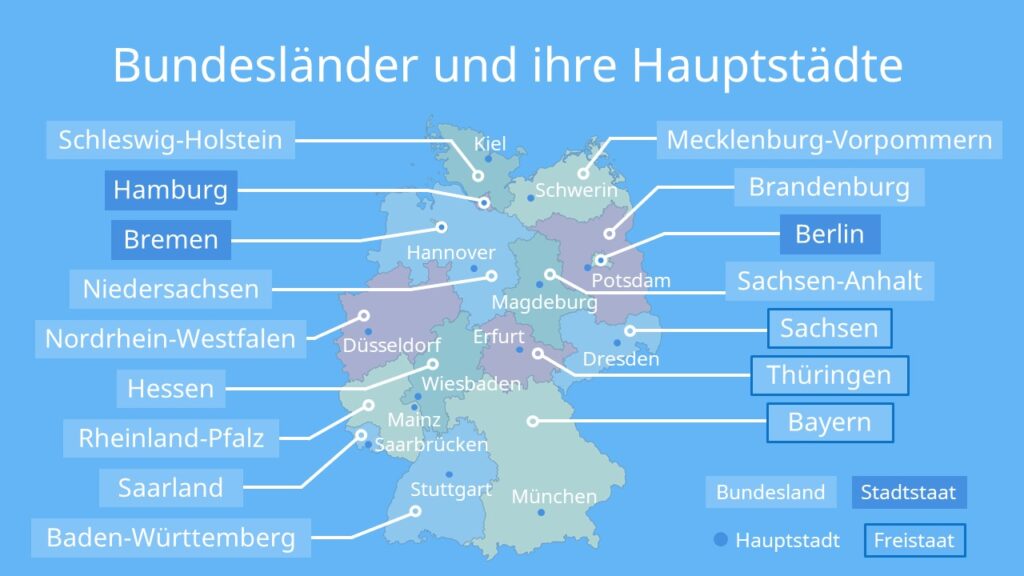
Alle bundesländer, or all the federal states of Germany, form the backbone of this dynamic European nation. It’s fascinating how these 16 distinct regions come together like pieces of a vibrant puzzle, each contributing its unique flavor to the whole picture. From bustling cities to serene countryside, alle bundesländer offer a wealth of experiences that showcase Germany’s rich history, innovative spirit, and natural beauty. In this article, we’ll dive deep into what makes each state special, highlighting their capitals, populations, areas, and standout features. Whether you’re planning a trip, studying geography, or just curious about this country, understanding alle bundesländer will give you a fresh appreciation for Germany’s diversity. Let’s embark on this optimistic exploration, where every state holds promise and potential for discovery.
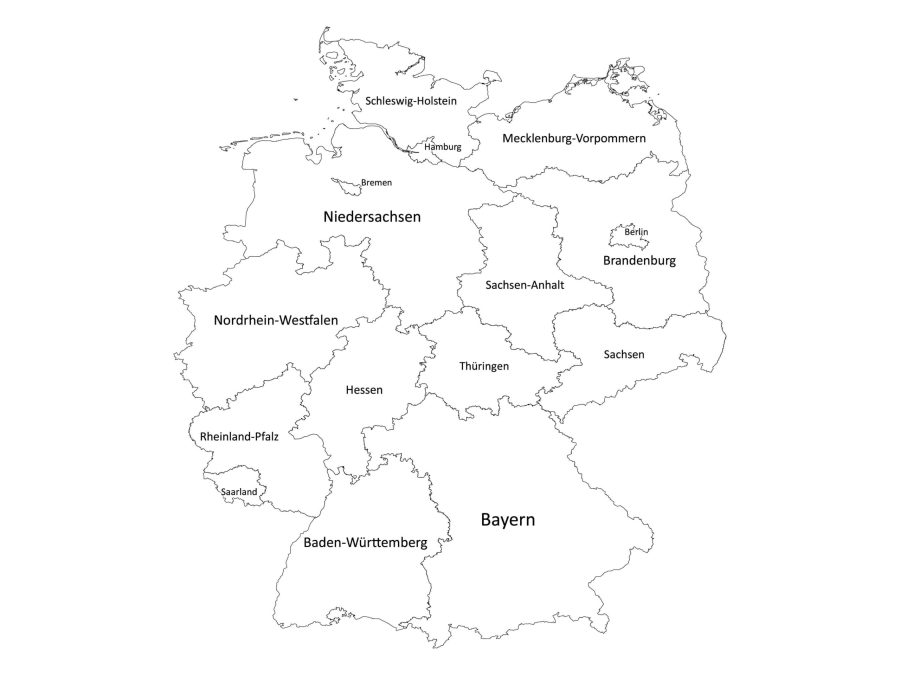
To start things off on the right foot, imagine a map that lays out alle bundesländer clearly—it’s like having a roadmap to endless adventures. Germany, with its federal system, empowers these states to handle education, policing, and cultural affairs, fostering a sense of local pride while uniting under one flag. As of 2025, the total population hovers around 84 million, spread across these regions in ways that reflect historical migrations and modern growth. This setup isn’t just efficient; it’s a testament to democracy in action, where differences lead to stronger collaborations.
An Overview of Alle Bundesländer
Before we zoom in on each one, let’s paint a broad stroke. Alle bundesländer vary wildly in size, from the tiny city-state of Bremen to the expansive Bavaria. They emerged from post-World War II reorganizations, with the eastern states rejoining after reunification in 1990. Today, they’re engines of Europe’s largest economy, blending tradition with cutting-edge tech. Think about it: one state might be famous for its beers and festivals, while another leads in renewable energy. This variety keeps things exciting, doesn’t it
To make sense of the basics, here’s a handy table summarizing key details for alle bundesländer. Populations are approximate for 2025, based on recent trends, and areas are in square kilometers.
| State (Bundesland) | Capital | Population (millions) | Area (km²) | Key Highlight |
|---|---|---|---|---|
| Baden-Württemberg | Stuttgart | 11.1 | 35,751 | Automotive innovation |
| Bayern (Bavaria) | Munich | 13.1 | 70,550 | Alpine scenery and tech hubs |
| Berlin | Berlin | 3.7 | 892 | Cultural melting pot |
| Brandenburg | Potsdam | 2.5 | 29,484 | Lakes and forests |
| Bremen | Bremen | 0.68 | 419 | Maritime heritage |
| Hamburg | Hamburg | 1.85 | 755 | Global port city |
| Hessen | Wiesbaden | 6.3 | 21,115 | Financial center (Frankfurt) |
| Mecklenburg-Vorpommern | Schwerin | 1.6 | 23,180 | Baltic Sea beaches |
| Niedersachsen | Hannover | 8.0 | 47,614 | Agricultural powerhouse |
| Nordrhein-Westfalen | Düsseldorf | 18.2 | 34,085 | Industrial heartland |
| Rheinland-Pfalz | Mainz | 4.1 | 19,854 | Wine regions |
| Saarland | Saarbrücken | 1.0 | 2,569 | Franco-German culture |
| Sachsen | Dresden | 4.0 | 18,416 | Historic architecture |
| Sachsen-Anhalt | Magdeburg | 2.2 | 20,446 | UNESCO sites |
| Schleswig-Holstein | Kiel | 2.9 | 15,799 | North Sea coasts |
| Thüringen | Erfurt | 2.1 | 16,172 | Forests and fairy tales |
This table is just the tip of the iceberg—each entry hides stories waiting to be told. As we move forward, you’ll see how these stats translate into real-life wonders.
Baden-Württemberg: Where Innovation Meets Nature
Kicking off our tour of alle bundesländer in the southwest, Baden-Württemberg stands out as a beacon of progress. Home to giants like Mercedes-Benz and Bosch, it’s no wonder this state drives Germany’s automotive future. But don’t let the factories fool you; it’s also dotted with the Black Forest, where fairy tales come alive amid dense woods and charming villages. Stuttgart, the capital, buzzes with energy, hosting museums and festivals that celebrate both tech and tradition.
What makes this state optimistic? Well, its commitment to sustainability shines through. With a population of about 11.1 million, folks here balance work and play seamlessly. Imagine hiking in the morning and attending a high-tech conference in the afternoon—it’s that versatile. Education is top-notch too, with universities like Heidelberg fostering the next generation of thinkers. If you’re into wine, the region’s vineyards produce some of Europe’s finest, adding a sip of joy to any visit.
Bayern: The Land of Tradition and Peaks
Ah, Bayern, or Bavaria as it’s often called— this is where Germany’s heart beats with alpine rhythm. As the largest of alle bundesländer by area at 70,550 km², it stretches from the bustling streets of Munich to the snow-capped Zugspitze, the country’s highest peak. With 13.1 million residents, it’s a powerhouse of culture, famous for Oktoberfest, where millions gather to toast with beer and pretzels
But Bayern isn’t stuck in the past; it’s leaping forward with companies like BMW and Siemens leading in tech and engineering. The optimistic vibe comes from its strong economy and low unemployment, making it a place where dreams take flight. Nature lovers rejoice in the Bavarian Forest National Park, a haven for wildlife and eco-tourism. And let’s not forget the fairy-tale castles like Neuschwanstein, which inspired Disney—talk about magical!
Berlin: The Pulsing Capital State
Shifting gears to the east, Berlin isn’t just Germany’s capital; it’s a state unto itself among alle bundesländer. This city-state packs 3.7 million people into 892 km², creating a vibrant, ever-evolving mosaic of cultures. From the historic Brandenburg Gate to the trendy street art in Kreuzberg, it’s a place where history and modernity dance together.
What’s truly uplifting here? Berlin’s resilience. Having overcome division during the Cold War, it now thrives as a hub for startups, arts, and inclusivity. Museums like the Pergamon house treasures from around the world, while parks like Tiergarten offer green escapes. With a youthful population and endless events, it’s the kind of place that inspires you to think big and live freely.
Brandenburg: Nature’s Quiet Retreat
Surrounding Berlin like a green embrace, Brandenburg offers a breath of fresh air in alle bundesländer. Its 2.5 million inhabitants enjoy vast landscapes of lakes, forests, and canals, perfect for boating or cycling. Potsdam, the capital, boasts stunning palaces like Sanssouci, once home to Prussian kings.
In an optimistic light, this state is on the rise with renewable energy projects and eco-friendly initiatives. It’s a haven for those seeking peace away from urban hustle, yet close enough to Berlin for convenience. Wildlife sanctuaries and organic farms dot the area, promoting sustainable living that’s good for the soul and the planet.
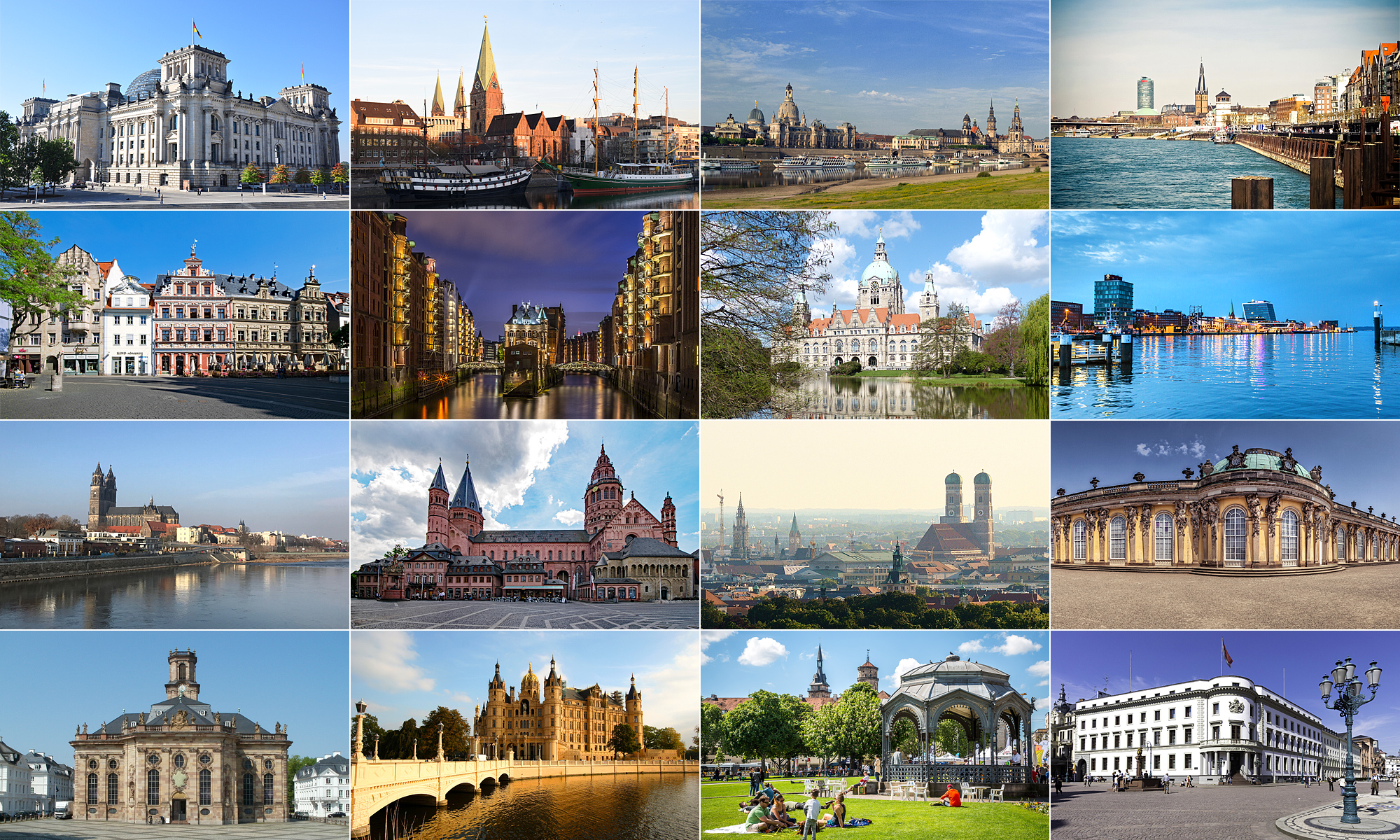
Speaking of inspirations, landmarks across alle bundesländer like those in Brandenburg remind us of Germany’s architectural gems, blending history with scenic beauty.
Bremen: The Maritime Gem
Now, let’s sail north to Bremen, one of the smallest alle bundesländer but packed with charm. This city-state, with its 0.68 million people and 419 km², revolves around its historic port and the Weser River. The iconic Town Musicians statue from the Grimm fairy tale stands as a symbol of cleverness and unity.
Optimism flows here through its strong trade ties and aerospace industry, home to parts of Airbus. It’s a place where tradition meets innovation, with markets selling fresh seafood and universities buzzing with ideas. Strolling the Schnoor quarter feels like stepping back in time, yet the future looks bright with green port developments.
Hamburg: Gateway to the World
Neighboring Bremen, Hamburg shines as another city-state in alle bundesländer. With 1.85 million residents in 755 km², it’s Europe’s second-largest port, connecting Germany to global adventures. The Elbphilharmonie concert hall, a modern marvel, echoes with world-class music.
What’s encouraging? Hamburg’s focus on livability, with extensive bike paths and green spaces like Planten un Blomen. It’s a media and logistics powerhouse, offering jobs and excitement. Nightlife in the Reeperbahn adds a dash of fun, but the real joy comes from its welcoming spirit—everyone feels at home here.
Hessen: Financial and Cultural Hub
In central Germany, Hessen blends business with beauty among alle bundesländer. Wiesbaden is the capital, but Frankfurt steals the show with its skyscrapers and the European Central Bank. Housing 6.3 million people over 21,115 km², it’s a financial giant.
The optimistic side? Hessen’s diverse economy, from banking to biotech, ensures stability. Fairy-tale routes wind through the countryside, inspiring visits to castles and spas. With top universities and festivals like the Documenta art show, it’s a cradle of creativity that keeps evolving.
Mecklenburg-Vorpommern: Baltic Bliss
Up in the northeast, Mecklenburg-Vorpommern invites you to unwind by the sea. This state in alle bundesländer, with 1.6 million folks and 23,180 km², boasts miles of Baltic coastline and islands like Rügen. Schwerin, the capital, features a fairy-tale castle on a lake.
Looking on the bright side, tourism and renewables are booming, creating jobs in wind energy. National parks protect unique wildlife, while chalk cliffs offer stunning views. It’s a region where nature heals and innovation sails forward.
Niedersachsen: The Versatile North
Niedersachsen, or Lower Saxony, spreads across northern alle bundesländer with 8 million residents in 47,614 km². Hannover, the capital, hosts massive trade fairs like CeBIT.
What’s uplifting? Its mix of agriculture, auto manufacturing (Volkswagen), and research. The Harz Mountains provide hiking thrills, and the Wadden Sea, a UNESCO site, teems with life. This state embodies balance, where hard work leads to hearty rewards.
Nordrhein-Westfalen: Industrial Power with Heart
As the most populous of alle bundesländer at 18.2 million, Nordrhein-Westfalen pulses with energy. Düsseldorf is the capital, but cities like Cologne and Dortmund shine too. Covering 34,085 km², it’s dense yet diverse.
Optimism abounds in its transition from coal to creative industries and tech. The Rhine River fosters trade, while carnivals bring joy. With universities and museums, it’s a place of endless opportunities.
Rheinland-Pfalz: Wine and Wonders
Westward, Rheinland-Pfalz delights with vineyards along the Rhine and Moselle. Home to 4.1 million over 19,854 km², Mainz is the capital, famous for Gutenberg’s printing press.
The positive outlook? World-class wines and hiking trails promote health and happiness. Castles perch on hills, telling tales of romance. It’s a state where culture ferments into something truly special.
Saarland: A Cozy Borderland
Tiny Saarland, with 1 million people in 2,569 km², nestles near France and Luxembourg. Saarbrücken, the capital, blends German and French influences in cuisine and architecture.
What’s heartening? Its resilient economy in steel and IT, plus lush forests for recreation. Festivals celebrate this fusion, making it a warm, welcoming spot in alle bundesländer.
Sachsen: Renaissance in the East
Sachsen, with 4 million in 18,416 km², boasts Dresden’s baroque splendor as capital. Known for porcelain and mountains.
Upliftingly, it’s a tech leader with “Silicon Saxony.” The Elbe Valley offers scenic drives, and Christmas markets sparkle with tradition.
Sachsen-Anhalt: Heritage Haven
Neighboring Sachsen-Anhalt houses 2.2 million over 20,446 km², with Magdeburg as capital. UNESCO sites like Quedlinburg abound.
The bright future? Renewables and research, plus the Garden Kingdom of Dessau-Wörlitz for inspiration.
Schleswig-Holstein: Coastal Charm
Northward, Schleswig-Holstein’s 2.9 million enjoy 15,799 km² of seas and friesian culture. Kiel, the capital, hosts sailing regattas.
Optimistic vibes from maritime economy and wind farms. Islands like Sylt promise relaxation.
Thüringen: Forested Fairytales
Finally, Thüringen, with 2.1 million in 16,172 km², centers on Erfurt. Known for Wartburg Castle and Goethe.
The positive spin? Thriving optics industry and Thuringian Forest hikes.
Fazit
Wrapping up our grand tour of alle bundesländer, it’s clear that Germany’s federal states are more than administrative divisions—they’re living, breathing entities full of promise. From the innovative south to the scenic north, alle bundesländer weave a tapestry of progress, culture, and nature that inspires optimism. Whether you’re drawn to urban buzz or rural tranquility, there’s a place here for everyone. As Germany looks ahead in 2025 and beyond, these states continue to evolve, uniting in strength while celebrating diversity. Exploring alle bundesländer isn’t just educational; it’s a gateway to understanding a nation that’s always moving forward with hope and harmony.
FAQs
What are alle bundesländer?
Alle bundesländer refer to the 16 federal states of Germany, each with its own government and unique characteristics.
Which is the largest of alle bundesländer by population?
Nordrhein-Westfalen tops the list with around 18.2 million people, making it a bustling hub.
How do alle bundesländer contribute to Germany’s economy?
They drive sectors like manufacturing, tourism, and tech, with states like Bayern and Baden-Württemberg leading in innovation.
Are there city-states among alle bundesländer?
Yes, Berlin, Hamburg, and Bremen are city-states, combining urban life with state autonomy.
Why visit alle bundesländer?
For diverse experiences—from Alps to seas—offering culture, nature, and optimism in every corner.