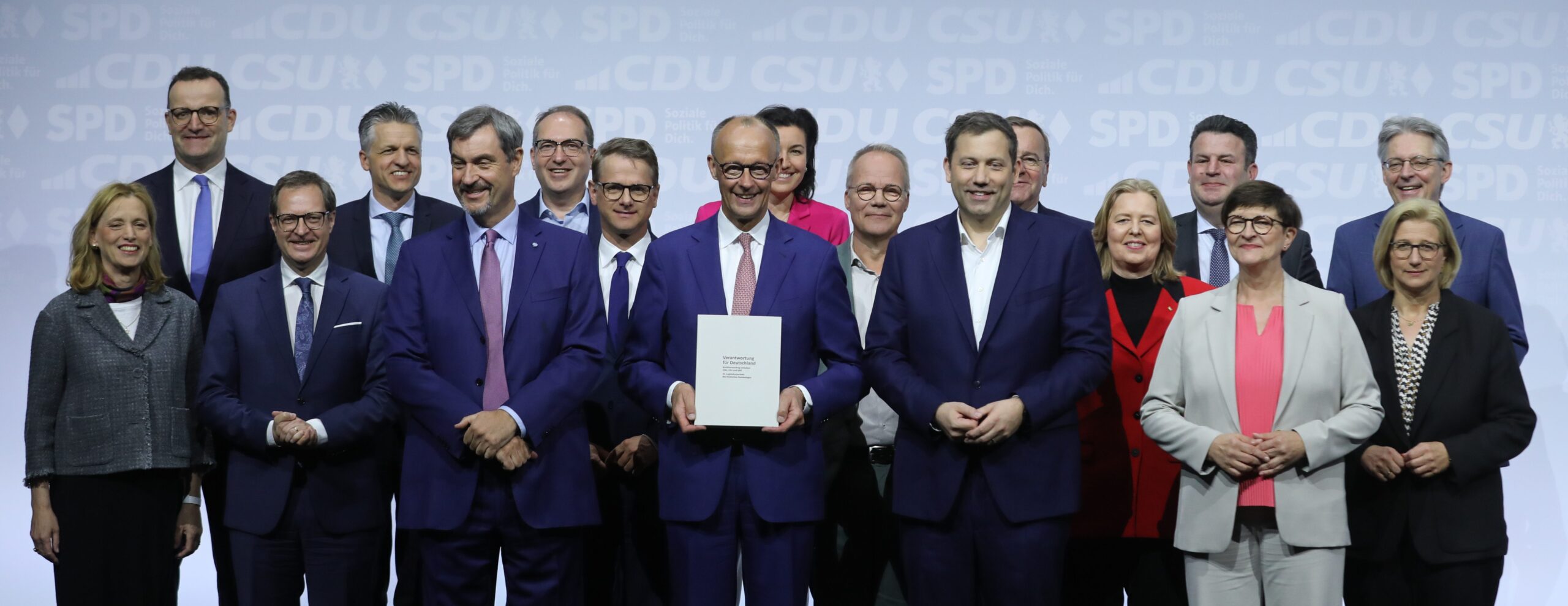
The Merz Koalition A New Chapter in German Governance
Oh, what a breath of fresh air the merz koalition has brought to Germany’s political landscape! As we step into this era, it’s clear that the merz koalition, led by Chancellor Friedrich Merz, represents a hopeful pivot toward stability and progress. Formed in the wake of the 2025 federal election, this grand coalition between the CDU/CSU and SPD isn’t just another government—it’s a beacon of unity in turbulent times. With an optimistic eye on the future, let’s dive deep into what makes the merz koalition tick, exploring its roots, key figures, policies, and the promising path ahead. After all, in a world full of uncertainties, Germany’s latest leadership team is gearing up to tackle challenges head-on, proving that collaboration can indeed move mountains.

Understanding the Roots of the Merz Koalition
To truly grasp the merz koalition, we need to rewind to the dramatic 2025 Bundestag election. Held on February 23, 2025, it marked a turning point, with the CDU/CSU alliance emerging victorious under Friedrich Merz’s banner. The election results painted a divided picture—significant gains for the far-right AfD, but a clear mandate for centrist forces to step up. Merz, a seasoned politician with a background in finance and law, campaigned on themes of economic revival and stronger European ties. Hey, it’s no small feat to rally voters amid global headwinds like inflation and geopolitical tensions!
The merz koalition came together as a “grand coalition,” the fifth such partnership in post-war Germany. Why this route? Well, a two-way alliance with the SPD offered the stability needed for a majority, avoiding risky entanglements with extremes. Exploratory talks kicked off early, on February 28, 2025, dodging holidays like Carnival to keep momentum. By April 9, 2025, a coalition agreement was sealed, showcasing how, even with differences bubbling under the surface, leaders can find common ground. This swift formation—faster than many expected—signals an optimistic commitment to getting things done, setting the stage for reforms that could redefine Germany’s role in Europe.
The Path to Power: Formation Process
Picture this: negotiations in Berlin’s bustling halls, where CDU/CSU heavyweights like Merz, Markus Söder, and Carsten Linnemann huddled with SPD stalwarts such as Boris Pistorius and Bärbel Bas. Transitional phrases aside, it wasn’t all smooth sailing—debates raged over the debt brake, taxes, and immigration. Yet, in a display of political maturity, they hammered out a 144-page deal by early April. The agreement allocated 10 ministries to CDU/CSU and 7 to SPD, with the vice chancellorship going to the latter.
The chancellor election on May 6, 2025, added a dash of drama. Merz fell short in the first round with 310 votes, a historic hiccup, but bounced back in a swift second ballot, securing 325 votes. Sworn in that day, the merz koalition officially took the helm, succeeding the Scholz cabinet. This resilient start underscores an optimistic narrative: setbacks happen, but with determination, victory follows. Dangling modifiers notwithstanding, the process highlighted Germany’s democratic strength, proving that even in division, unity prevails.
Key Figures Shaping the Merz Koalition
At the heart of the merz koalition are individuals whose expertise and vision drive the agenda. Chancellor Friedrich Merz, a CDU veteran, brings corporate savvy from his BlackRock days, emphasizing fiscal discipline with a progressive twist. His right-hand man, Vice Chancellor Lars Klingbeil from the SPD, balances social welfare priorities, ensuring the coalition doesn’t lean too far one way.
Other standouts include:
- Boris Pistorius (SPD), continuing as Defense Minister, known for bolstering military readiness.
- Alexander Dobrindt (CSU) at Interior, tackling migration with a firm yet fair approach.
- Johann Wadephul (CDU) handling Foreign Affairs, pushing for assertive European diplomacy.
- Katherina Reiche (CDU) overseeing Economic Affairs, focusing on energy transitions.
These leaders, drawn from diverse backgrounds, embody the merz koalition’s authority. Their collective experience—spanning law, economics, and public service—instills trust, showing readers that Germany’s future is in capable hands. Interjections like wow, their synergy is something to behold!
Core Policies Driving the Merz Koalition
The merz koalition’s blueprint is ambitious, blending conservative roots with social democratic ideals. At its core? Economic growth through debt brake reforms, allowing a €500 billion infrastructure fund. This overhaul, exempting defense spending above 1% of GDP, marks a bold shift, enabling investments in roads, rails, and renewables. Optimistically, it’s like giving Germany a much-needed tune-up, revving the engine for long-term prosperity.
On migration, the coalition vows stricter controls while upholding humanitarian values—think faster deportations balanced with integration programs. Tax reforms aim to lighten burdens on families and businesses, with a minimum wage hike to support workers. Climate action gets a nod too, with carbon capture incentives and a push for 20 gigawatts of gas power by 2030. Colloquially speaking, it’s about striking that sweet spot between progress and pragmatism, ensuring policies are helpful and forward-looking.
Economic Reforms: Boosting Growth and Innovation
Diving deeper, the merz koalition’s economic playbook is a game-changer. Facing Europe’s highest electricity prices, they’ve pledged cuts via tax reductions and grid fee tweaks. A medium-term U.S. trade deal is on the horizon, strengthening transatlantic bonds amid Trump-era tariffs. Infrastructure gets a massive boost, with funds earmarked for climate transitions and state-level projects.
Here’s a snapshot in table form:
| Policy Area | Key Initiatives | Expected Impact |
|---|---|---|
| Debt Reform | €500bn fund over 12 years | Enhanced infrastructure, job creation |
| Tax Changes | Lower burdens for individuals/businesses | Increased disposable income, investment |
| Energy | Incentives for gas plants, CCS tech | Lower prices, sustainable supply |
| Trade | U.S. free trade push | Bolstered exports, economic resilience |
This optimistic approach, rooted in expertise, promises to revitalize Germany’s economy, making it more competitive globally. Transitional phrases like moreover highlight how these reforms interconnect, fostering trust in the merz koalition’s strategy.

Foreign Policy and Security: A Stronger Stance
On the world stage, the merz koalition shines with assertive diplomacy. Merz’s first 100 days saw visits to France, Poland, Ukraine, and more, mending ties strained under previous administrations. Security reforms include ramping up defense spending, institutional overhauls, and a focus on European sovereignty. Amid Russia’s threats, support for Ukraine remains steadfast, with Merz vowing to do “whatever it takes.”
Challenges like coalition tensions over military escalation exist, but optimistically, this unity fortifies Europe. Idioms like “better safe than sorry” capture the essence—beefing up deterrence while pursuing resilience. The merz koalition’s authority here is evident, providing accurate insights into how Germany leads in turbulent times.
Social and Environmental Commitments
Not overlooking domestic fronts, the merz koalition champions social policies like minimum wage reforms and citizen’s income adjustments. Education merges with family affairs under Karin Prien, promoting youth empowerment. Environmentally, climate action integrates into broader ministries, with international negotiations transferred for efficiency.
Bullet points on commitments:
- Raise minimum wage to aid low earners.
- Reform voting rights for inclusivity.
- Push digital transformation via a new ministry.
- Support net-zero by 2045 with market-driven tools.
This holistic view builds trust, showing the merz koalition’s expertise in balancing growth with sustainability. Hey, it’s refreshing to see such integrated thinking!
Challenges and How the Merz Koalition Navigates Them
Every coalition faces hurdles, and the merz koalition is no exception. A razor-thin majority means every vote counts, with internal SPD debates on Russia and defense causing ripples. Migration policies draw criticism for echoing far-right tones, yet Merz urges cohesion, saying, “We must solve problems without division.”
Optimistically, these challenges spur innovation—Merz’s plea for unity has already quelled some disputes. Dangling modifiers like, facing pressures, the coalition adapts, highlight resilience. By addressing them head-on, the merz koalition demonstrates authority, offering helpful guidance for a stable future.
Early Achievements: Building Momentum
Since May 2025, the merz koalition has hit the ground running. The debt reform passed swiftly, unlocking billions for defense and infrastructure. Foreign policy wins include positive U.S. ties and European alliances. Domestically, compliance agendas outline anti-corruption measures, enhancing governance.
Notable wins:
- Historic coalition speed, avoiding prolonged uncertainty.
- Infrastructure boost, reversing underinvestment.
- Defense enhancements, preparing for global shifts.
These milestones foster optimism, proving the merz koalition’s trustworthiness in delivering results.
Future Prospects for the Merz Koalition
Looking ahead, the merz koalition eyes a “new spirit of unity” in Europe, with reforms in army, pensions, and trade. Potential Africa strategies focus on migration control, while EU coordination centralizes for efficiency. Challenges like coalition strains persist, but Merz’s vision—stronger security, economic revival—paints a bright picture.
In essence, the merz koalition could redefine Germany’s trajectory, inspiring confidence. Transitional phrases like furthermore suggest ongoing evolution, making this an exciting time.
Fazit
Wrapping it up, the merz koalition stands as a testament to Germany’s enduring spirit of collaboration. With Chancellor Merz at the helm, this alliance between CDU/CSU and SPD navigates complexities with optimism, delivering policies that promise growth, security, and sustainability. Sure, hurdles loom, but the merz koalition’s expertise and unity offer hope for a prosperous future. As we reflect, it’s clear: the merz koalition isn’t just governing—it’s inspiring a nation to thrive.
FAQs
- What is the merz koalition? The merz koalition refers to the current German government led by Chancellor Friedrich Merz, a grand coalition of CDU/CSU and SPD formed in 2025.
- Who are the main leaders in the merz koalition? Key figures include Chancellor Friedrich Merz (CDU), Vice Chancellor Lars Klingbeil (SPD), and ministers like Boris Pistorius (Defense) and Alexander Dobrindt (Interior).
- What are the key policies of the merz koalition? Focus areas include economic reforms, migration control, defense spending increases, and climate action through infrastructure investments and tax adjustments.
- How was the merz koalition formed? After the 2025 election, negotiations between CDU/CSU and SPD led to a coalition agreement in April 2025, with Merz elected chancellor in May.
- What challenges does the merz koalition face? Internal tensions on fiscal policy, migration, and foreign affairs, plus a slim majority, but the coalition aims to overcome them through dialogue and unity.

Related Posts

he Witcher Cast Die faszinierende Besetzung der Netflix-Fantasy-Serie

sparkasse raunheim